How to Plan Delicious Meals Using Pantry Staples
Planning meals from pantry staples is a smart way to save time, reduce food waste, and keep your grocery bill in check. Your pantry likely holds a variety of ingredients that can be transformed into satisfying meals with just a little creativity. Whether you’re facing a busy week, aiming to eat at home more often, or just want to use what you have, learning how to plan meals from pantry staples is a valuable kitchen skill.
In this post, we’ll walk through practical tips and ideas to help you plan nutritious, delicious meals from ingredients already stocked in your pantry.
Why Plan Meals from Pantry Staples?
Before diving in, let’s look at why pantry-based meal planning is so useful:
– Convenience: You can prepare meals without last-minute store trips.
– Budget-friendly: Using what’s on hand helps avoid unnecessary purchases.
– Reduces Waste: It encourages using up ingredients before they spoil.
– Flexibility: You learn to creatively combine ingredients for variety.
With these benefits in mind, let’s explore how to approach pantry meal planning effectively.
Step 1: Take Inventory of Your Pantry
Begin by gathering a list of what you currently have. Organize items into categories such as:
– Grains (rice, pasta, oats)
– Canned goods (beans, tomatoes, tuna)
– Baking supplies (flour, sugar, baking powder)
– Spices and herbs
– Oils and vinegars
– Nuts and seeds
Having a clear understanding of your ingredients will make meal planning easier and prevent duplicate purchases.
Tips for Pantry Organization
– Store similar items together.
– Label shelves or containers.
– Keep frequently used items at eye level.
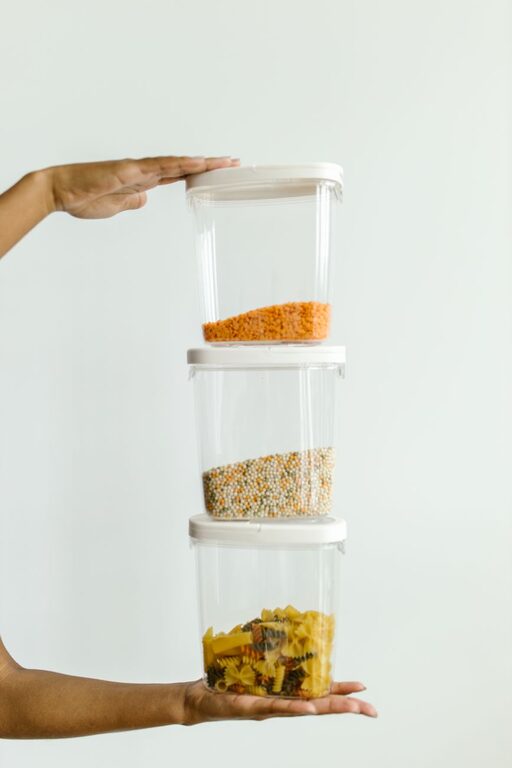
– Use transparent containers for visibility.
A tidy pantry also helps you spot what needs to be used soon.
Step 2: Build a List of Simple Recipes Using Pantry Staples
With your inventory ready, think about simple recipes that incorporate multiple pantry staples. Here are some easy ideas:
Breakfast Options
– Oatmeal with nuts and dried fruit: Use rolled oats, add a sprinkle of nuts or seeds, and top with dried fruit or honey.
– Pancakes: Mix flour, baking powder, sugar, and milk (or a substitute) for a quick batter.
Lunch and Dinner Ideas
– Pasta with tomato sauce: Combine pasta with canned tomatoes, garlic, olive oil, and herbs.
– Rice and bean bowls: Use rice, canned beans, spices, and any fresh or frozen vegetables.
– Tuna salad: Mix canned tuna with beans or pasta, add olive oil and vinegar for dressing.
Snacks and Sides
– Roasted chickpeas: Season canned chickpeas with spices and bake until crispy.
– Homemade trail mix: Combine nuts, seeds, and dried fruit.
Step 3: Plan Meals Around Core Ingredients
When planning your meals for the week, focus on core ingredients that can be used in multiple ways. For example:
– Canned tomatoes can become a base for pasta sauce, chili, or soup.
– Rice can be served plain, turned into fried rice, or made into a rice salad.
– Beans make excellent protein additions to salads, stews, or dips.
This approach maximizes ingredient use and creates meal variety.
Step 4: Consider Fresh or Frozen Additions
While pantry staples provide a solid foundation, pairing them with a few fresh or frozen items can enhance meals:
– Fresh herbs like parsley or cilantro brighten flavors.
– Frozen vegetables add color and nutrients.
– Fresh lemon or lime juice adds acidity.
These additions don’t require extra pantry space but elevate your meals.
Step 5: Create a Weekly Meal Plan
Use your pantry inventory and recipe ideas to draft a simple meal plan. Include:
– Breakfast options for each day
– Lunch and dinner meals
– Snacks to keep on hand
Writing it down helps you stay organized and reduces mealtime stress.
Step 6: Use a Shopping List to Fill Gaps
After planning, check what you lack and make a concise shopping list. Prioritize versatile fresh produce or staples you use regularly. This ensures your pantry stays stocked with essentials for future meals.
Bonus Tips for Success
– Batch Cook: Prepare large portions and refrigerate or freeze leftovers.
– Experiment with Spices: They transform simple dishes quickly.
– Keep Staples Restocked: Maintain a base supply of grains, canned goods, and spices.
– Use Apps or Notebooks: Track what you have and plan meals efficiently.
Sample Weekly Pantry-Based Meal Plan
| Day | Breakfast | Lunch | Dinner |
|———–|————————-|————————–|—————————–|
| Monday | Oatmeal with nuts | Tuna and bean salad | Pasta with tomato sauce |
| Tuesday | Pancakes | Rice and vegetable bowl | Chickpea stew with rice |
| Wednesday | Toast with peanut butter| Lentil soup (dry lentils)| Fried rice with eggs |
| Thursday | Yogurt with granola | Pasta salad with beans | Tomato and bean chili |
| Friday | Smoothie (frozen fruit) | Roasted chickpea wrap | Vegetable stir-fry with rice|
This plan highlights how pantry staples come together in balanced meals.
—
Planning meals from pantry staples is easier than you might think. By organizing your pantry, knowing simple recipes, and planning strategically, you can enjoy home-cooked meals with minimal fuss. Start today by checking your pantry and getting creative!
Happy cooking!