How to Plan Meals Using Pantry Staples for Easy, Tasty Dishes
Planning meals using pantry staples is a smart way to simplify your cooking routine, reduce food waste, and save money. With a well-organized pantry and a bit of creativity, you can whip up delicious, satisfying meals even when the fridge is looking sparse. In this post, we’ll explore practical steps to plan meals from pantry staples effectively, including choosing staples, organizing your pantry, and creative meal ideas.
Why Plan Meals From Pantry Staples?
Planning meals around pantry essentials helps you:
– Save money by using what you already have
– Avoid last-minute trips to the grocery store
– Reduce food waste by using older ingredients first
– Make cooking less stressful and more enjoyable
Pantry staples are non-perishable or long-lasting items that form the backbone of many recipes. Common staples include dried pasta, rice, canned beans, canned tomatoes, spices, oils, and grains.
Step 1: Stock Your Pantry With Essential Staples
Before you can plan meals, it’s important to have a well-stocked pantry. Here’s a list of versatile staples to consider having on hand:
Grains and Pasta
– Rice (white, brown, or basmati)
– Dried pasta (spaghetti, penne, fusilli)
– Quinoa or couscous
– Rolled oats
Canned and Jarred Goods
– Canned beans (black beans, chickpeas, kidney beans)
– Canned tomatoes (diced, crushed, or sauce)
– Tomato paste
– Coconut milk
– Broth or stock (chicken, vegetable, or beef)
Baking and Cooking Essentials
– Flour (all-purpose, whole wheat)
– Sugar (white, brown)
– Baking powder and baking soda
– Cooking oils (olive oil, vegetable oil)
– Vinegars (balsamic, apple cider, white vinegar)
Spices and Seasonings
– Salt and pepper
– Garlic powder, onion powder
– Dried herbs (oregano, basil, thyme, rosemary)
– Ground spices (cumin, paprika, chili powder)
– Soy sauce or tamari
Nuts, Seeds, and Other Extras
– Peanut butter or other nut butters
– Nuts and seeds (almonds, sunflower seeds)
– Dried fruit (raisins, cranberries)
Step 2: Organize Your Pantry for Easy Access
A well-organized pantry makes meal planning easier. Here are a few tips:
– Group similar items together (grains, canned goods, spices).
– Label shelves or containers.
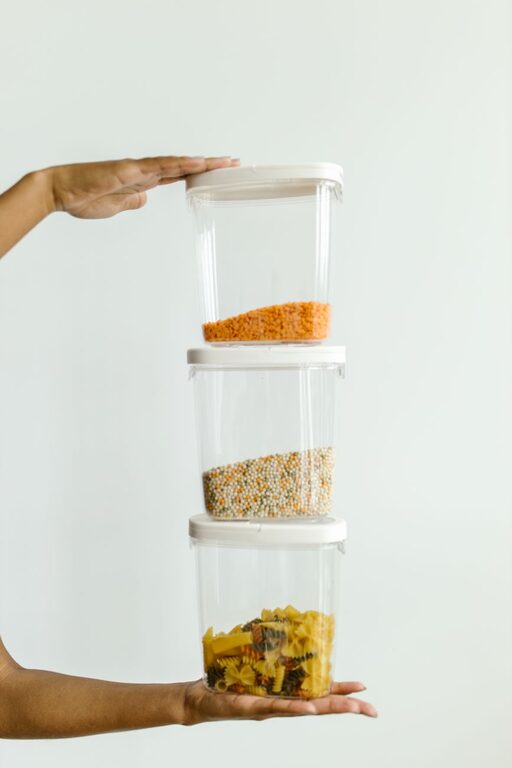
– Use clear containers for things like flour, sugar, or pasta to see what you have at a glance.
– Place frequently used items at eye level for quick access.
– Use a “first-in, first-out” system to use older products first.
Step 3: Plan Meals Based on What You Have
Start by taking an inventory of your pantry staples. Note what you have in good quantity and what needs to be used soon. Then, think about meals that can be made from these ingredients.
Example Meal Ideas From Pantry Staples
– Pasta with Tomato Sauce
Use dried pasta, canned tomatoes, garlic powder, olive oil, and dried herbs to make a simple sauce. Add canned beans for protein.
– Rice and Bean Bowls
Cook rice and top with seasoned canned beans, canned corn, and salsa (if you have it). Add spices like cumin and chili powder for flavor.
– Chickpea Curry
Use canned chickpeas, coconut milk, canned tomatoes, and curry spices to make a flavorful curry served with rice.
– Oatmeal with Nuts and Dried Fruit
For breakfast or a snack, cook oats and top with nuts, seeds, and dried fruit for a filling meal.
– Homemade Soup
Combine canned tomatoes, broth, canned beans, and dried herbs to make a quick vegetable soup. Add rice or pasta for extra heartiness.
Step 4: Mix and Match Ingredients Creatively
Part of the fun of pantry meal planning is creativity. Here’s how to mix and match:
– Combine different grains and beans for variety.
– Add canned or frozen vegetables you have on hand.
– Use spices to reinvent simple ingredients into different cuisines, like Italian, Mexican, or Indian.
Step 5: Complement Pantry Staples With Fresh or Frozen Ingredients
If possible, buy fresh or frozen produce to add nutrients and flavor. Fresh garlic, onions, carrots, or greens can brighten pantry-based meals. Frozen vegetables are a great backup that lasts longer and still offers good nutrition.
Step 6: Keep a List and Rotate Regularly
Keep a running list of what you use frequently and what you need to replenish. Rotate pantry items regularly to keep them fresh and avoid waste.
—
Bonus Tips for Successful Pantry Meal Planning
– Batch Cook: Make large portions and freeze leftovers for quick meals later.
– Try New Recipes: Explore cuisines that commonly use pantry staples.
– Prep Ingredients in Advance: Soak beans, cook grains, or prepare sauces ahead of time.
– Use Technology: Meal planning apps can help you organize pantry items and recipes.
—
By planning meals from your pantry staples, you’ll find cooking at home is easier and more budget-friendly. With these simple strategies, you can turn everyday ingredients into delicious, nutritious meals any day of the week. Happy cooking!